Many women in perimenopause and menopause struggle with sleep problems — from night sweats to insomnia. Hormonal fluctuations, stress, and changes in body temperature can make restful sleep feel impossible.
This guide explains why menopause sleep problems happen, what causes them, and how to improve sleep with natural remedies, lifestyle changes, and medical treatments.
Why Sleep Changes During Menopause
Menopause marks the end of menstrual cycles, but hormonal shifts begin years earlier during perimenopause. According to The Sleep Foundation, declining levels of estrogen and progesterone — hormones that help regulate sleep and mood — can disrupt the body’s internal clock and cause insomnia.
Hot flashes and night sweats are two major culprits. They cause sudden awakenings, restlessness, and difficulty falling back asleep. In addition, anxiety and mood swings linked to hormonal changes can further interfere with restful sleep.
Common Sleep Problems During Menopause
- Difficulty falling asleep – racing thoughts or temperature fluctuations delay rest.
- Frequent awakenings – hot flashes or sweating interrupt deep sleep cycles.
- Early morning waking – waking at 3–4 a.m. and being unable to return to sleep.
- Insomnia – persistent trouble getting or staying asleep.
- Restless legs syndrome (RLS) – tingling or movement urges that keep you awake.
- Sleep apnea – breathing interruptions, more common after menopause.
The NIH reports that up to 61% of women experience sleep disturbances during the menopausal transition — often lasting several years.
What Causes Sleep Problems in Menopause?
The main causes are hormonal, psychological, and lifestyle factors that interact with each other:
- Low estrogen: affects temperature regulation and contributes to night sweats.
- Low progesterone: reduces relaxation and makes falling asleep harder.
- Mood changes: anxiety, stress, and depression interfere with rest.
- Medical conditions: thyroid disorders, sleep apnea, and joint pain can worsen symptoms.
A 2025 study in Nature found that estrogen directly influences melatonin production and the circadian rhythm, confirming why hormonal therapy often helps improve sleep quality.
Menopause Sleep Problems: What Helps?
There’s no single fix, but combining sleep hygiene, lifestyle changes, and targeted treatments can dramatically improve rest.
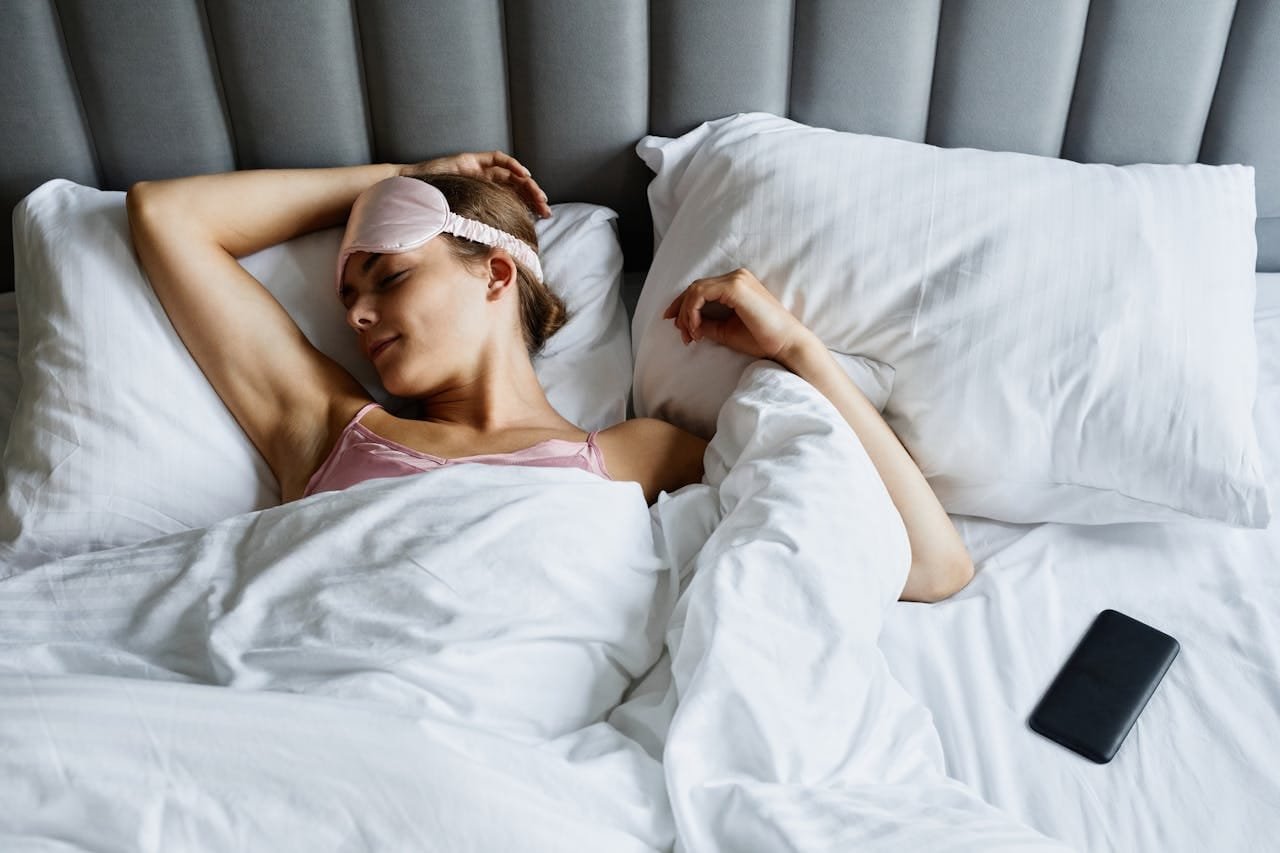
1. Lifestyle Adjustments
- Establish a bedtime routine: Go to bed and wake up at the same time daily.
- Keep the bedroom cool: Ideal temperature is 65–68°F to reduce night sweats.
- Limit caffeine and alcohol: Especially after 2 p.m. to prevent sleep disruption.
- Exercise regularly: Improves mood and sleep, but avoid workouts close to bedtime.
- Mind-body practices: Yoga, breathing exercises, and meditation calm the nervous system.
2. Natural Remedies
- Magnesium & melatonin: Support relaxation and sleep quality.
- Herbal teas: Chamomile, valerian root, and passionflower promote calm.
- Phytoestrogens: Plant compounds in soy or flaxseed may help balance hormones naturally.
- Essential oils: Lavender or bergamot aromatherapy may reduce stress and aid sleep.
3. Medical Treatments
- Hormone therapy (HT): Restores estrogen and progesterone balance to ease hot flashes and improve sleep. Read our full hormone therapy guide.
- Non-hormonal options: Certain antidepressants, gabapentin, or sleep medications can help.
- Cognitive Behavioral Therapy for Insomnia (CBT-I): A proven, non-drug method for chronic insomnia.
Always talk with a healthcare provider before starting supplements or medications.
When to See a Doctor
Consult a healthcare professional if you experience:
- Chronic insomnia lasting more than 3 months.
- Severe night sweats that disturb sleep or cause fatigue.
- Snoring, gasping, or pauses in breathing (possible sleep apnea).
- Daytime sleepiness affecting focus, mood, or safety.
A doctor can evaluate for underlying issues and tailor treatment — including sleep studies if needed.
Key Takeaway
Menopause-related sleep problems are common, but treatable.
By combining consistent sleep habits, natural remedies, and medical support when necessary, women can reclaim deep, restorative rest and wake up feeling like themselves again.
Good sleep isn’t a luxury — it’s a foundation for balanced hormones, stable mood, and healthy aging.
Read our guide on perimenopause symptoms and treatment